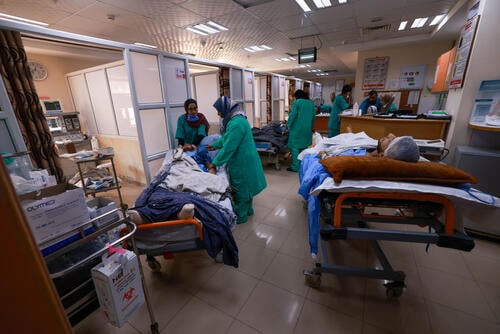
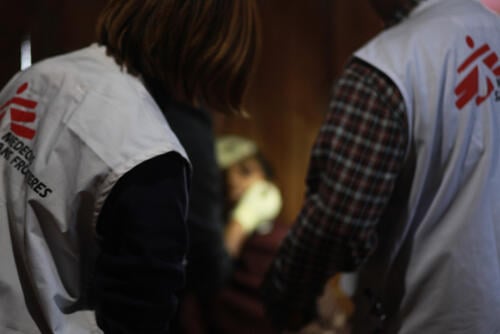
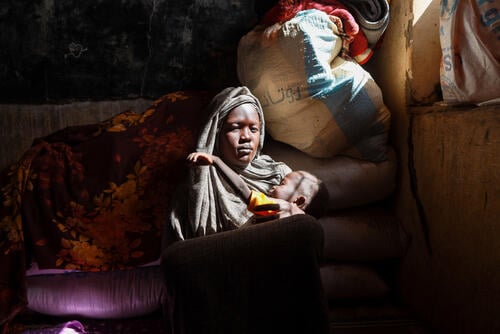
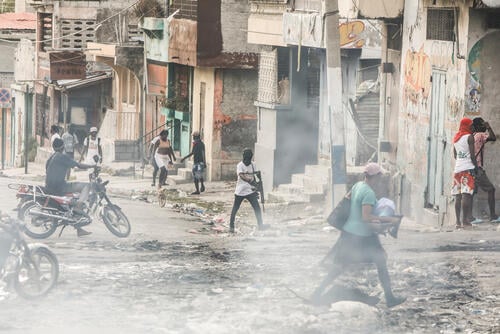
In more than 70 countries, Médecins Sans Frontières provides medical humanitarian assistance to save lives and ease the suffering of people in crisis situations.
We set up the MSF Access Campaign in 1999 to push for access to, and the development of, life-saving and life-prolonging medicines, diagnostic tests and vaccines for people in our programmes and beyond.
Based in Paris, CRASH conducts and directs studies and analysis of MSF actions. They participate in internal training sessions and assessment missions in the field.
Based in Geneva, UREPH (or Research Unit) aims to improve the way MSF projects are implemented in the field and to participate in critical thinking on humanitarian and medical action.
Based in Brussels, MSF Analysis intends to stimulate reflection and debate on humanitarian topics organised around the themes of migration, refugees, aid access, health policy and the environment in which aid operates.
This logistical and supply centre in Brussels provides storage of and delivers medical equipment, logistics and drugs for international purchases for MSF missions.
This supply and logistics centre in Bordeaux, France, provides warehousing and delivery of medical equipment, logistics and drugs for international purchases for MSF missions.
This logistical centre in Amsterdam purchases, tests, and stores equipment including vehicles, communications material, power supplies, water-processing facilities and nutritional supplements.
SAMU provides strategic, clinical and implementation support to various MSF projects with medical activities related to HIV and TB. This medical unit is based in Cape Town, South Africa.
BRAMU specialises in neglected tropical diseases, such as dengue and Chagas, and other infectious diseases. This medical unit is based in Rio de Janeiro, Brazil.
Our medical guidelines are based on scientific data collected from MSF’s experiences, the World Health Organization (WHO), other renowned international medical institutions, and medical and scientific journals.
Providing epidemiological expertise to underpin our operations, conducting research and training to support our goal of providing medical aid in areas where people are affected by conflict, epidemics, disasters, or excluded from health care.
Evaluation Units have been established in Vienna, Stockholm, and Paris, assessing the potential and limitations of medical humanitarian action, thereby enhancing the effectiveness of our medical humanitarian work.
MSF works with LGBTQI+ populations in many settings over the last 25-30 years. LGBTQI+ people face healthcare disparities with limited access to care and higher disease rates than the general population.
The Luxembourg Operational Research (LuxOR) unit coordinates field research projects and operational research training, and provides support for documentation activities and routine data collection.
The MSF Paediatric Days is an event for paediatric field staff, policy makers and academia to exchange ideas, align efforts, inspire and share frontline research to advance urgent paediatric issues of direct concern for the humanitarian field.
The MSF Foundation aims to create a fertile arena for logistics and medical knowledge-sharing to meet the needs of MSF and the humanitarian sector as a whole.
A collaborative, patients’ needs-driven, non-profit drug research and development organisation that is developing new treatments for neglected diseases, founded in 2003 by seven organisations from around the world.
The war in Ukraine has a significant toll on people's mental health. Our teams have provided mental health support for both doctors and patients affected by the war.
An international, independent medical humanitarian organisation
We provide medical assistance to people affected by conflict, epidemics, disasters, or exclusion from healthcare. Our teams are made up of tens of thousands of health professionals, logistic and administrative staff - most of them hired locally. Our actions are guided by medical ethics and the principles of impartiality, independence and neutrality.
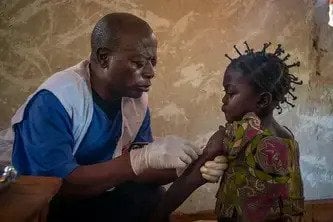
VACCINATIONS AGAINST MEASLES IN RESPONSE TO AN OUTBREAK
1.2M
1.2M
patients admitted
75
75
countries
Featured
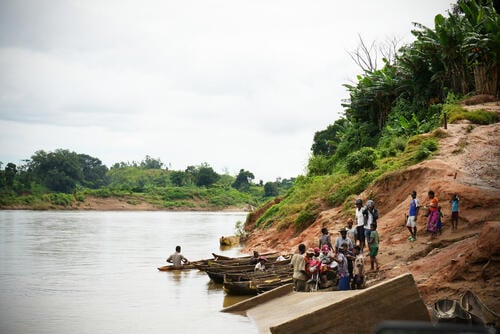
Madagascar
Malaria on the rise in Madagascar as climate change leaves healthcare out of reach
25 Apr 2024
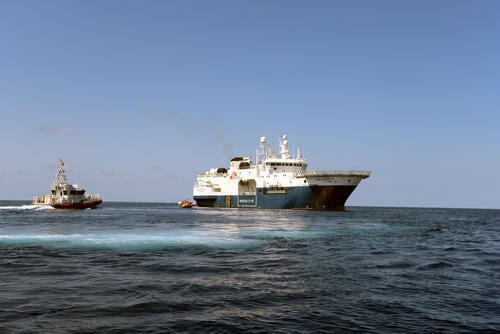
Mediterranean migration
Charges in case against rescues at sea dropped in Italy
Press Release19 Apr 2024
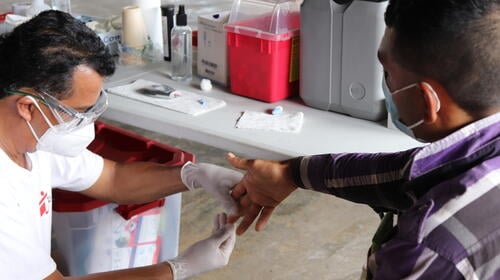
Guatemala
MSF highlights urgent need to care for patients with chronic kidney disease
Project Update17 Apr 2024
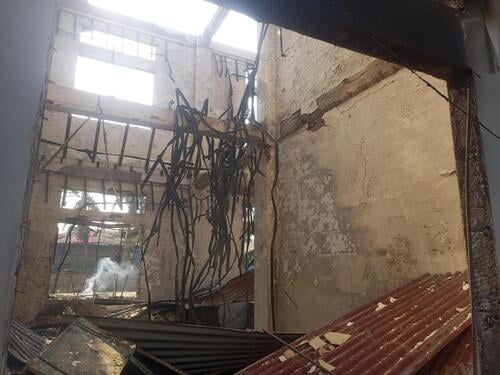
Myanmar
MSF office and pharmacy in Rakhine state destroyed in fire amid ongoing violence
Press Release16 Apr 2024
Where we work
In more than 75 countries, Médecins Sans Frontières provides medical humanitarian assistance to save lives and ease the suffering of people in crisis situations.
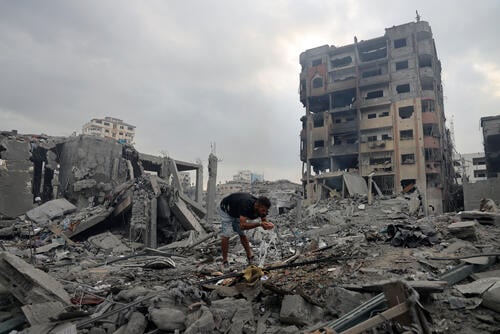
Learn how MSF teams are responding to the Hamas-Israel war in Gaza, Palestine.
In Focus
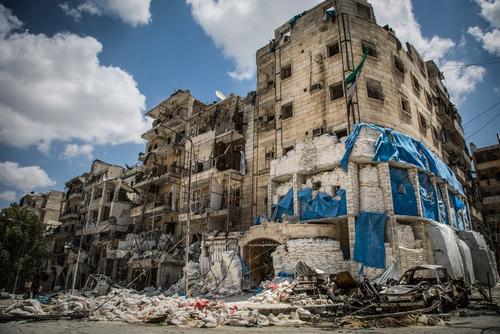
Attacks on medical care
Attacks against medical facilities and health workers, whether deliberate or indiscriminate, are part of generalised violence and atrocities committed against civilians in armed conflict. They deprive populations of health services, often when they need them the most.
In Focus
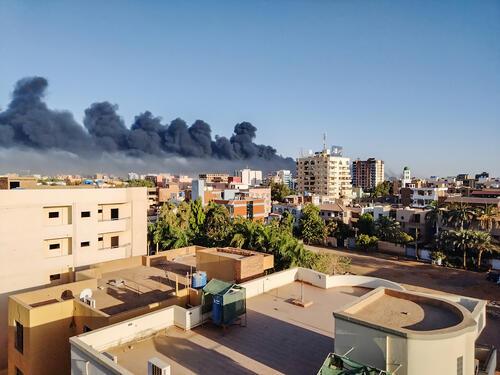
Conflict in Sudan
Find out the latest information on our response to the conflict in Sudan
In Focus
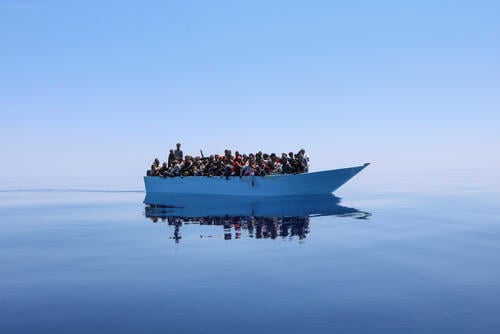
Mediterranean migration
Every year, thousands of people fleeing war, persecution and poverty at home attempt the treacherous journey across the Mediterranean. Countless lives are lost on the way.
In Focus
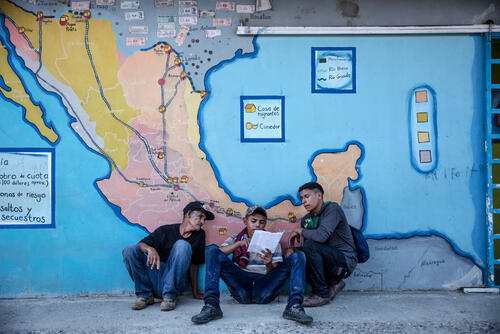
Central American Migration
An estimated 500,000 people a year flee violence and poverty in El Salvador, Guatemala, and Honduras, heading north through Mexico to find safety. The levels of violence in the region are comparable to that of war zones MSF has worked in for decades.
In Focus
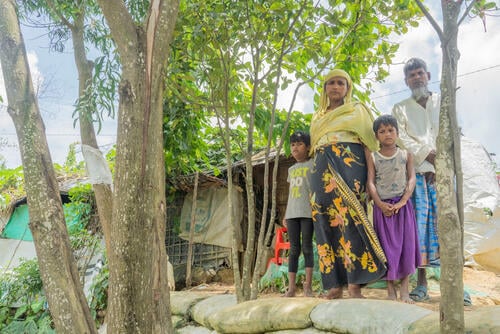
Rohingya refugee crisis
Legally stateless, with very limited options or rights in any country where they have sought refuge, the Rohingya are extremely vulnerable.
Welcome to Médecins Sans Frontières/Doctors Without Borders
Working with MSF
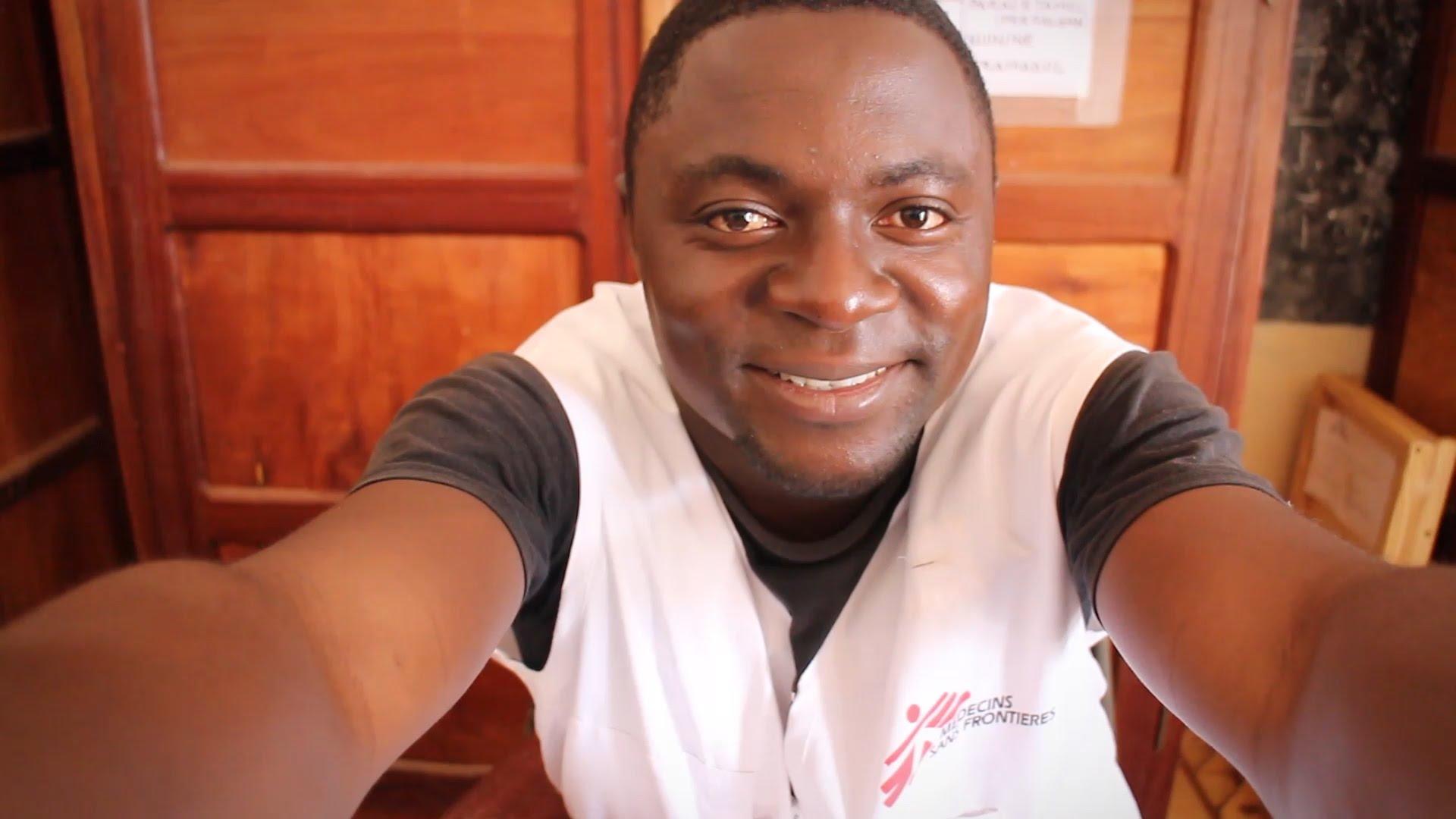
What's it like to work with MSF?
We rely on a strong network of professionals to deliver life-saving medical aid.
Each year, thousands of international and locally-hired staff work together around the globe to provide lifesaving medical assistance to people who would otherwise be denied access to healthcare.