An international, independent medical humanitarian organisation
We provide medical assistance to people affected by conflict, epidemics, disasters, or exclusion from healthcare. Our teams are made up of tens of thousands of health professionals, logistic and administrative staff - most of them hired locally. Our actions are guided by medical ethics and the principles of impartiality, independence and neutrality.

17.1M
17.1M
3.6M
3.6M
1.8M
1.8M
72
72
Featured

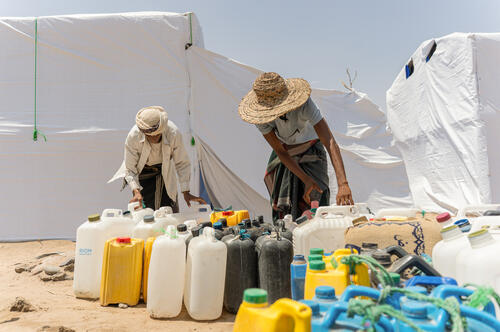
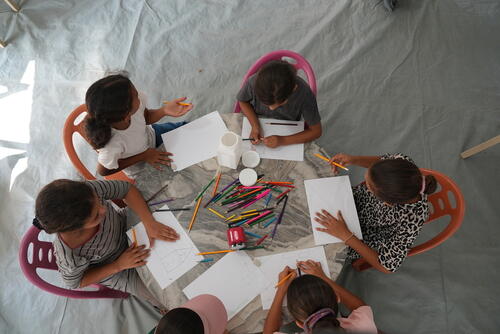
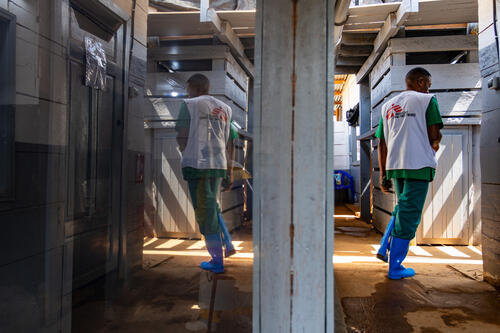
DRC Ebola outbreaks
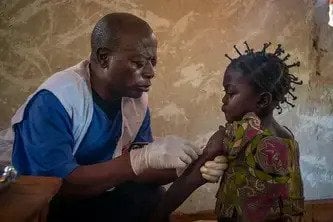
Children are being left behind in the current Ebola disease outbreak response
Press Release
15 Oct 2026
Where we work
In more than 70 countries, Médecins Sans Frontières provides medical humanitarian assistance to save lives and ease the suffering of people in crisis situations.
The place names and boundaries in this map do not reflect any position by MSF on their legal status. This map uses the Gall-Peters equal-area map projection.
Our Programmes
The place names and boundaries in this map do not reflect any position by MSF on their legal status. This map uses the Gall-Peters equal-area map projection.
Latest

DRC Ebola outbreaks
Children are being left behind in the current Ebola disease outbreak response
15 Oct 2026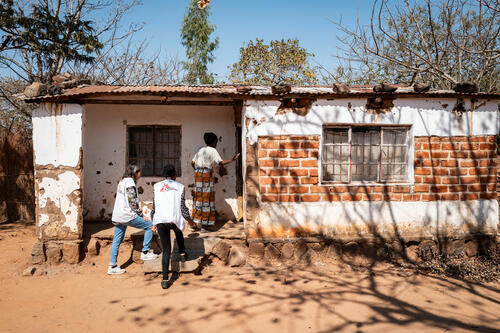
In focus
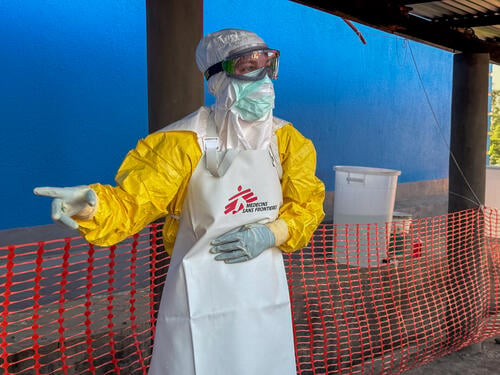
In Focus
DRC Ebola outbreaks
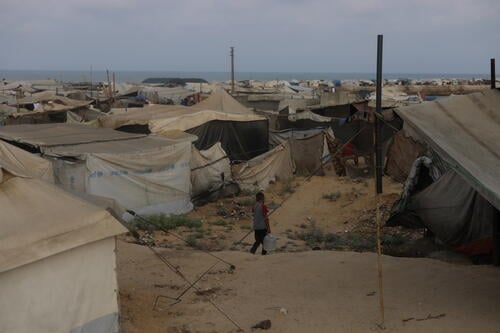
In Focus
Gaza-Israel war
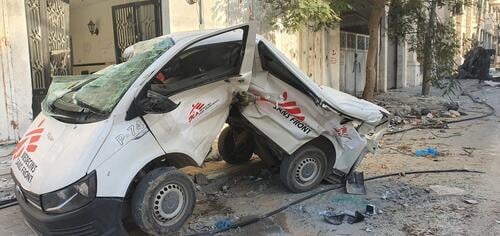
In Focus
Attacks on medical care
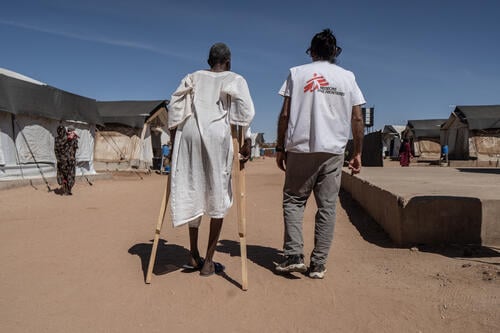
In Focus
Conflict in Sudan
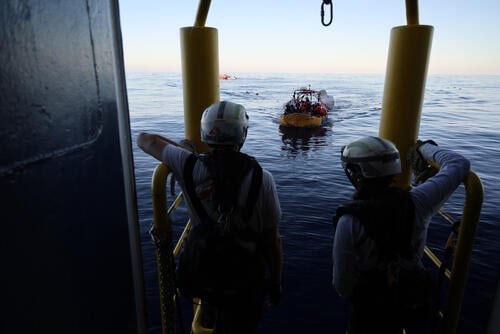
In Focus
Mediterranean migration
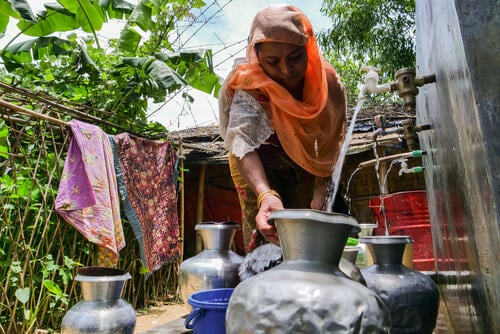
In Focus
Rohingya refugee crisis
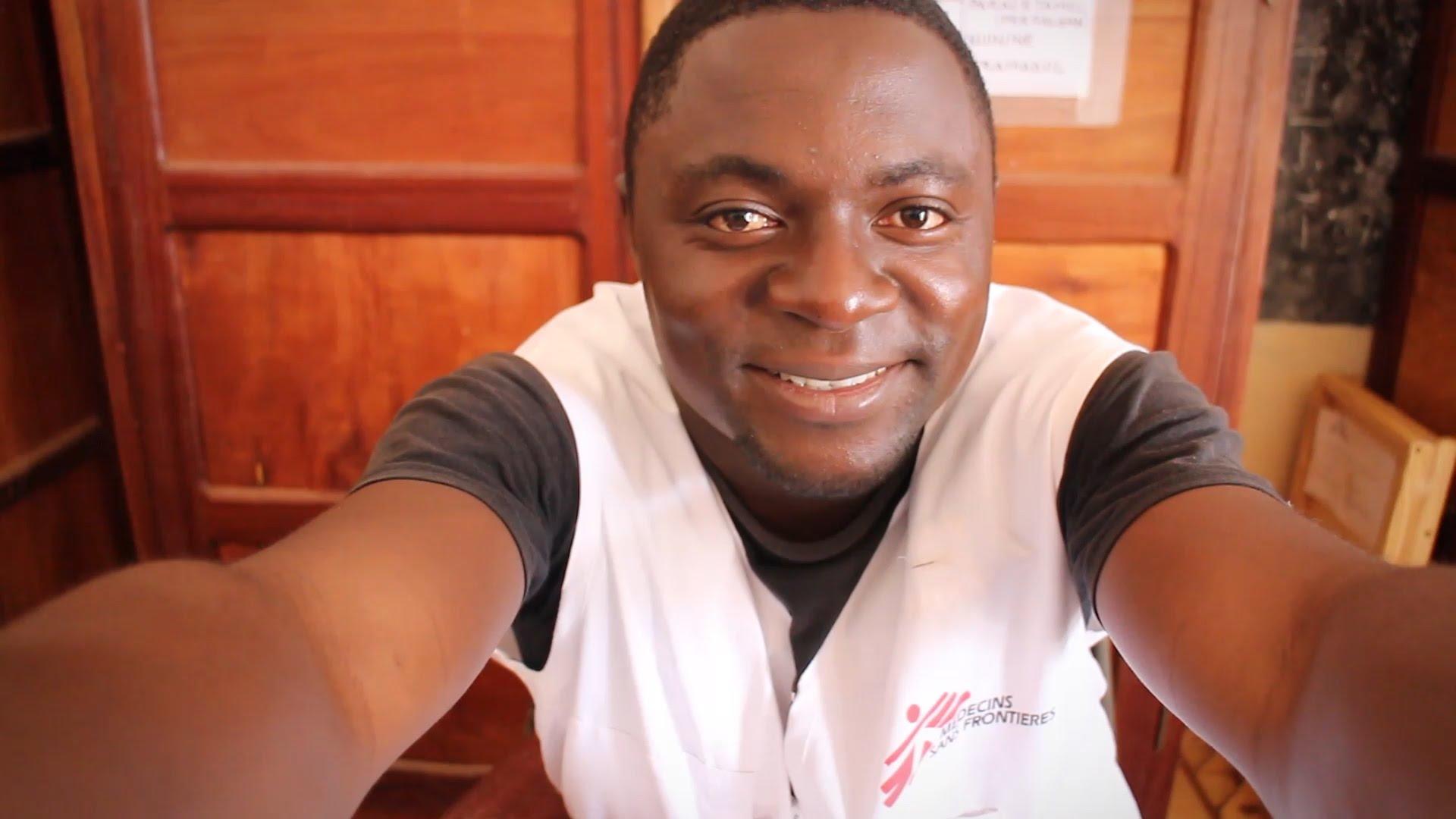
video
Welcome to Médecins Sans Frontières/Doctors Without Borders
Working with MSF
What's it like to work with MSF?
We rely on a strong network of professionals to deliver life-saving medical aid.
Each year, thousands of international and locally-hired staff work together around the globe to provide lifesaving medical assistance to people who would otherwise be denied access to healthcare.
Learn more